THEY RENTED MY HOUSE WITHOUT PERMISSION—THEN THE BUYER ARRIVED
Chapter 5 – THE LAST THANKSGIVING
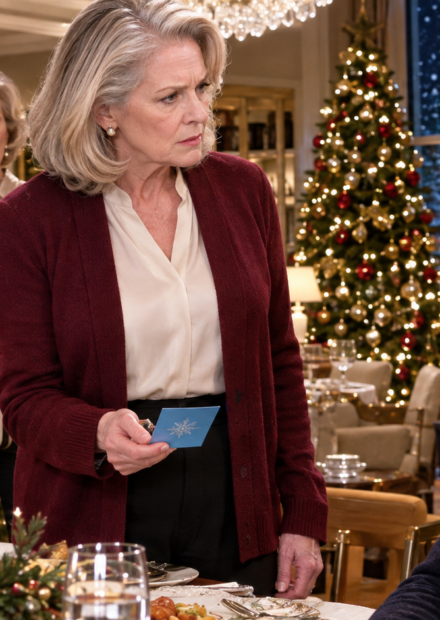
I almost cancelled Thanksgiving.
For nine years after Thomas died, I hosted it.
Sometimes at the lake house.
Usually at my home in Spokane.
That year, with the sale scheduled to close in early December, Madison asked whether we could have one final Thanksgiving at the lake.
My first instinct was no.
Then I remembered what I had told her.
Trust was rebuilt by telling the truth when it cost something.
It was also rebuilt by allowing people the opportunity to behave differently.
So I agreed.
Under one condition.
Richard was not invited.
Madison accepted immediately.
Eric did too.
On Wednesday evening, however, Eric called.
“My dad knows.”
“About Thanksgiving?”
“Yes.”
“How?”
A pause.
“My mother told him.”
Richard and his wife had been separated for several months. I had known they were having problems, but not how serious things were.
“What does he want?”
“To come.”
“No.”
“I told him.”
“Good.”
“He says he needs to talk to you.”
“He has an attorney.”
“I know.”
“He can communicate through her.”
Another pause.
“Diane, he’s making this difficult for Madison.”
That irritated me.
“Richard has been making things difficult for Madison since he involved her in this.”
“I know.”
“Do you?”
“Yes.”
Eric sounded exhausted.
“I’m not defending him.”
“Then don’t ask me to let him into my house.”
“I’m not.”
He took a breath.
“I’m warning you that he might come anyway.”
I looked toward the windows.
The lake was dark.
“Then he will be asked to leave.”
Thanksgiving morning arrived with light snow.
Madison came early.
She carried pies and sweet potatoes.
Eric arrived an hour later with their two teenagers.
For several hours, it felt almost normal.
My granddaughter complained about peeling potatoes.
My grandson stole pieces of turkey skin.
Madison found Thomas’s old carving knife and cried for thirty seconds before laughing at herself.
I burned the first tray of rolls.
“You’re becoming Dad,” Madison said.
“Take that back.”
“No.”
We were laughing when headlights appeared outside.
Madison stopped.
Eric closed his eyes.
I knew before I saw the truck.
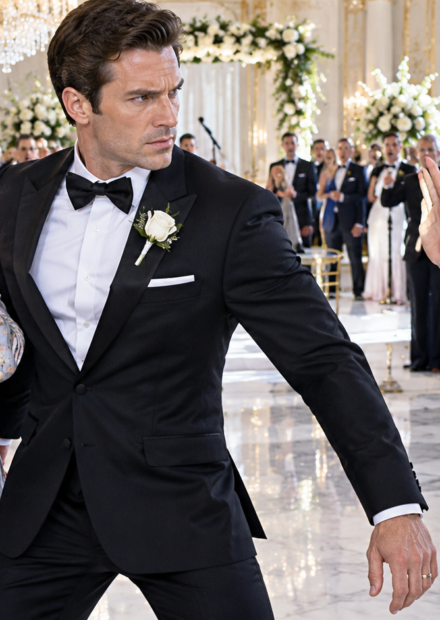
Richard.
He walked onto the porch carrying nothing.
No food.
No coat appropriate for the weather.
Just anger.
Eric met him outside.
Their voices were low at first.
Then louder.
I could not hear every word through the glass, but I heard enough.
“Family.”
“Humiliated.”
“Lawyers.”
“Money.”
Madison stood beside me.
“I’ll make him leave.”
“No.”
She looked at me.
“I will.”
I opened the door.
Cold air rushed inside.
Richard looked past Eric at me.
“We need to talk.”
“No.”
“Diane.”
“You were told not to come.”
“This affects my son.”
“Then talk to your son.”
“It affects Madison.”
“Then stop threatening her.”
His face changed.
“I never threatened her.”
“You texted me that she had more to lose than you.”
“That wasn’t a threat.”
“What was it?”
“A fact.”
I stepped onto the porch.
Eric stood between us.
Behind me, Madison said, “Dad, go inside.”
Eric turned.
“I’m staying.”
Richard looked at his son.
“You’re taking her side?”
Eric’s face hardened.
“This is not about sides.”
“It sure looks like it.”
“You rented a house you didn’t own.”
“With Madison’s permission.”
Madison stepped onto the porch.
“My permission didn’t matter.”
Richard stared at her.
She swallowed.
“You knew that.”
“Be careful.”
There it was.
That tone.
The same one he had used with me.
Not loud.
Not openly threatening.
Just enough pressure to remind the other person that resistance would have consequences.
Madison straightened.
“No. You be careful.”
Richard blinked.
She continued.
“I gave you the code. I knew about the rentals. I took money. I was wrong.”
“Madison—”
“But you told me Mom didn’t need to know.”
“You agreed.”
“Yes.”
“You benefited.”
“Yes.”
Richard seemed almost disappointed that she wasn’t denying it.
“I’m not going to lie about what I did so you can pretend you thought we had permission.”
His face darkened.
“You have no idea what your mother is doing to this family.”
Madison’s voice trembled.
“She didn’t do this.”
Silence.
Snow moved through the porch light.
Richard looked at me.
“You got what you wanted.”
I stared at him.
“What exactly do you think I wanted?”
“You’re selling the house. You turned Madison against me. You’ve got attorneys demanding financial records.”
“I wanted to arrive at my property and find it exactly as I left it.”
That stopped him.
“I wanted to meet a buyer without discovering strangers in my bedrooms.”
He looked away.
“I wanted my daughter to understand that I am still alive and my property is still mine.”
Richard shoved his hands into his vest pockets.
“Nobody said you were dead.”
“You didn’t have to.”
I thought about the listing.
Owner is elderly and rarely visits.
Do not contact Diane directly.
She no longer handles the property.
“You treated my absence like a vacancy.”
His jaw moved.
“You weren’t doing anything with the place.”
“There it is again.”
“What?”
“The idea that something belongs to whoever can make the most money from it.”
“I improved its value.”
“You stocked shampoo.”
“I brought in revenue.”
“For yourself.”
“I paid Madison.”
“With money generated by property you did not own.”
“She was going to inherit it.”
I almost smiled.
“You keep using the future tense as permission for the present.”
He looked toward Madison.
“This is what she does. She makes everything sound legal and technical.”
“No,” I said. “The law is technical. Ownership is actually very simple.”
He took a step closer.
Eric moved immediately.
“Dad.”
Richard stopped.
I looked at him.
“You knew.”
He said nothing.
“You knew I had not approved the rentals. Your own messages prove it.”
Still nothing.
“You knew Madison did not own the house. You knew I might say no. So you made sure nobody asked me.”
His face had gone pale with anger.
“You think you’re better than everybody because you can afford to let a million-dollar property sit empty.”
There it was.
Not family.
Not Thomas.
Not grief.
Resentment.
I had heard versions of it before.
From people who believed an unused bedroom should be theirs.
An unspent dollar should be shared.
An inheritance expected someday should be available today.
“You don’t know what I can afford,” I said.
“You weren’t hurting.”
“That is not the standard for whether stealing from someone is acceptable.”
“I didn’t steal.”
“Then return the money.”
He stared at me.
Madison looked at him.
Eric did too.
Richard’s mouth opened.
Closed.
I nodded.
“That’s what I thought.”
He turned toward his truck.
Then stopped.
“You’re going to regret selling this place.”
Maybe he expected that to wound me.
Instead, I looked through the windows.
At the table.
At my daughter.
At my grandchildren.
At the kitchen where Thomas once burned an entire pan of gravy because he got distracted telling a story.
Maybe I would regret it.
People regret things.
That doesn’t mean the decision was wrong.
“I might,” I said.
Richard looked surprised.
“But if I do, the regret will belong to me.”
He said nothing.
“So will the decision.”
He walked away.
His truck disappeared into the snow.
When I went back inside, nobody spoke for several seconds.
Then my grandson looked at the turkey.
“Are we still eating?”
I laughed.
“Yes.”
Madison laughed too.
Then everybody did.
We ate at the long dining table.
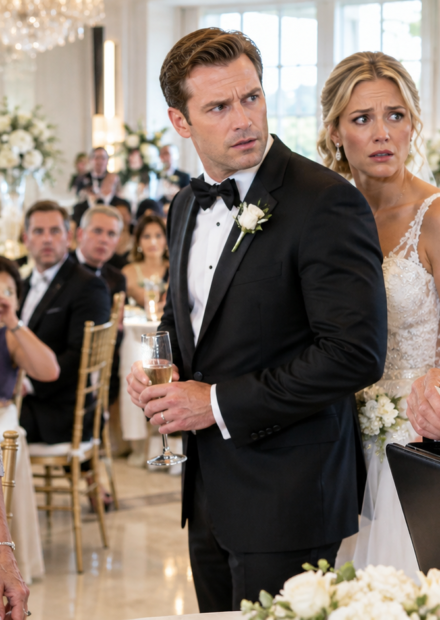
Halfway through dinner, Madison raised her glass.
“I want to say something.”
Eric looked nervous.
I probably did too.
She looked at me.
“I’m sorry I treated something that might someday be mine as though it already belonged to me.”
The table went quiet.
She continued.
“And I’m sorry I used Dad as an excuse.”
Her eyes filled.
“He taught me better than that.”
I reached across the table.
She took my hand.
“That’s enough,” I said.
“No.”
She shook her head.
“I need to finish.”
So I let her.
“I thought Mom selling this house meant we were losing part of him. But I think I was really afraid that if the house belonged to somebody else, then our memories would somehow belong to them too.”
She looked around.
“They don’t.”
My granddaughter was crying now.
So was I.
Madison smiled.
“They can paint everything. Tear down the dock. Replace the kitchen. Whatever they want.”
“Don’t give Alan ideas,” I said.
Everyone laughed.
Madison squeezed my hand.
“Dad was here because we were here.”
That was the closest thing to peace I had felt in years.
Not victory.
Peace.
There is a difference.