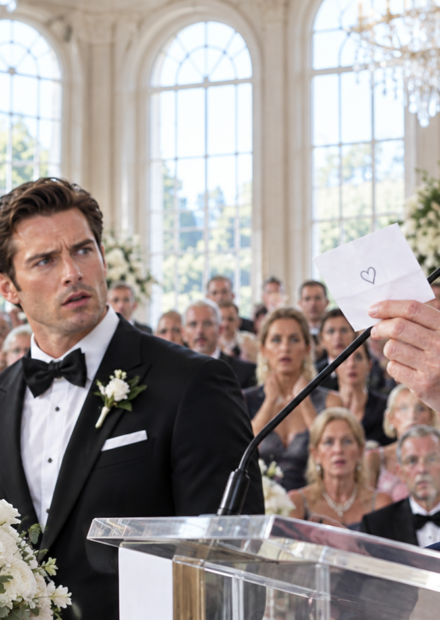
My Bride Slapped My Mother in Front of Two Hundred Guests. She Thought I Would Still Say “I Do.”
Chapter 4 – AFTER THE PERFECT DAY ENDED
People imagine dramatic decisions feel powerful.
They don’t.
Not afterward.
Afterward, they feel like paperwork.
Calls.
Deposits.
Canceled reservations.
Returned gifts.
Confused relatives.
Embarrassing explanations.
Our apartment lease had both names on it.
Our bank accounts were separate, thankfully, but wedding expenses weren’t.
There were invoices everywhere.
Flowers.
Photography.
Catering.
Music.
Decorations.
Hotel rooms.
Transportation.
A cake large enough to feed two hundred people who never watched us become husband and wife.
For three weeks, my life became an administrative autopsy of a marriage that never happened.
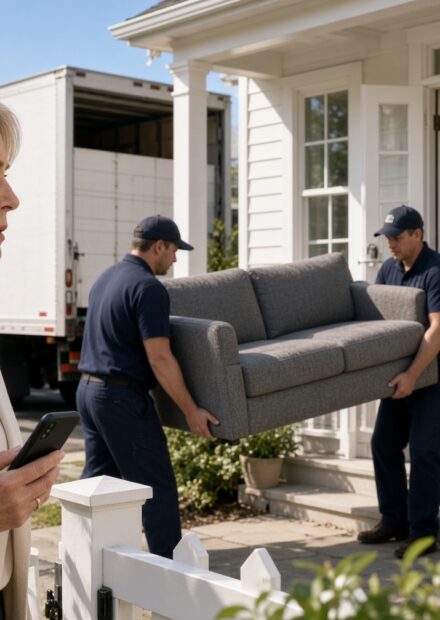
Lauren moved out of our apartment first.
She went to stay with her parents.
I returned two days later.
Half the closet was empty.
Her perfume still lingered in the bedroom.
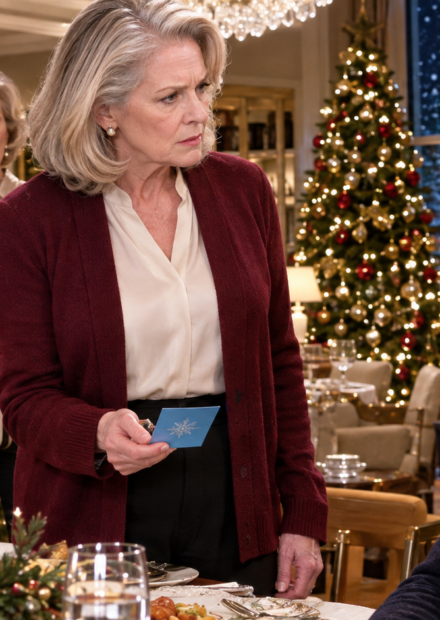
There was a note on the kitchen counter.
I almost threw it away.
Instead, I read it.
Daniel,
I know saying sorry cannot undo what I did.
I keep replaying that moment.
I keep trying to understand how I became someone who could do that.
I don’t expect forgiveness.
I think part of me believed that because the wedding mattered so much to me, everyone around me had an obligation to protect it.
I treated people like decorations in a day that was supposed to be about love.
Your mother did not deserve what I did.
Neither did you.
I’m going to get help.
Not to win you back.
Because I don’t want to be that person again.
Lauren.
I sat at the counter for a long time.
Then I folded the note.
I didn’t call her.
But I didn’t throw it away either.
Because that was the first apology that asked for nothing.
The video appeared online four days after the wedding.
I had known somebody would post it.
Two hundred guests.
Dozens of phones.
It was inevitable.
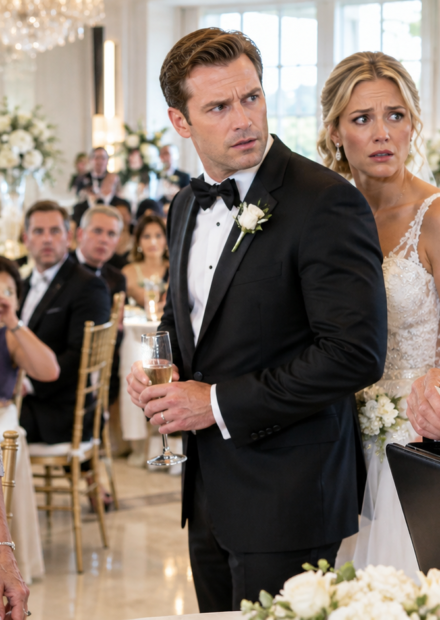
The clip began seconds before the slap.
Mom walking toward Lauren.
The roses.
Lauren stepping backward.
The hand.
The sound.
Then me arriving.
The video ended shortly after I canceled the wedding.
Within a day, strangers were discussing our lives.
Some praised me.
Some attacked Lauren.
Some accused the entire thing of being staged.
People found our social media accounts.
They found Mom’s.
That frightened me most.
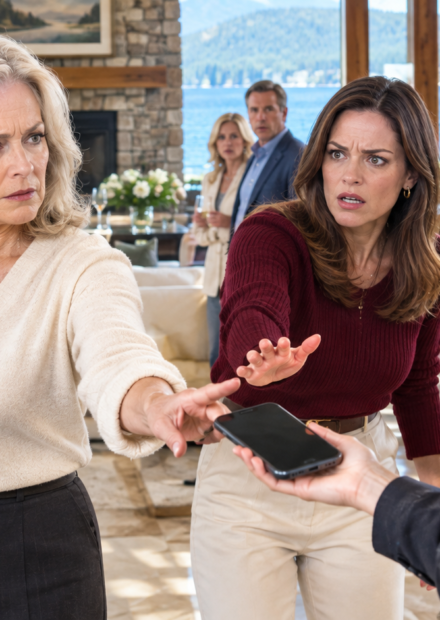
I called her immediately.
“Don’t read anything.”
“What things?”
“Online.”
“I’m sixty-eight, Daniel, not dead.”
“Mom.”
She sighed.
“Emily already changed my privacy settings.”
“Good.”
“Someone sent me three hundred rose emojis.”
I closed my eyes.
“Please don’t respond.”
“I wasn’t going to.”
Then she added, “One woman offered to mail me a casserole.”
I laughed.
It was the first genuine laugh I’d had since the wedding.
Mom laughed too.
For a few seconds, everything felt normal.
Then she said, “Lauren must be having a terrible time.”
My smile disappeared.
“Probably.”
“People can be cruel.”
I almost said she deserves it.
But I stopped.
Because Mom was right.
Holding Lauren accountable didn’t require enjoying her destruction.
I had ended the relationship.
That was my decision.
I didn’t need strangers to punish her for me.
I posted one statement.
It was short.
What happened at our wedding was painful for everyone involved. My mother is safe and recovering. The wedding was canceled, and Lauren and I are no longer together. I ask people not to harass Lauren, her family, or my mother. This is a private family matter, and we will not be discussing it publicly.
Then I deleted the apps from my phone.
I didn’t want applause.
I wanted peace.
A month passed.
Then two.
Mom’s cheek healed faster than either of us did.
She kept insisting she was fine.
I knew better.
She stopped bringing flowers anywhere.
That was how I knew.
At Easter, she bought a bouquet from a grocery store for my aunt instead of cutting flowers from her garden.
I noticed.
“Why didn’t you bring your roses?”
She looked at me.
“They’re not ready.”
They were.
I’d seen them blooming behind the house.
I didn’t push.
The next Sunday, I went to her house early.
I found her kneeling beside the rose bed wearing gardening gloves.
“Need help?”
“No.”
I picked up the pruning shears anyway.
“You always cut them too short,” she complained.
“Then supervise.”
She sighed dramatically.
We worked for nearly an hour.
The garden smelled exactly as I remembered.
Soil.
Leaves.
Roses.
Home.
Eventually I said, “Mom.”
“Hmm?”
“Why did you bring them to the wedding?”
She didn’t answer immediately.
Then she sat back on her heels.
“Because I knew Lauren didn’t really like me.”
The honesty surprised me.
“I thought maybe I could change that.”
“With flowers?”
She smiled.
“It sounds silly when you say it like that.”
“No.”
“I knew she liked expensive things. I couldn’t give her anything expensive.”
My throat tightened.
“So I thought I’d give her something personal.”
She touched one of the blossoms.
“Something from our family.”
I stared at the roses.
“You were welcoming her.”
“Yes.”
“And she thought you were ruining her dress.”
Mom looked down.
“I suppose we were thinking about very different things.”
That sentence explained the entire wedding.
Mom had been thinking about family.
Lauren had been thinking about perfection.
And I had been standing somewhere between them, pretending the difference didn’t matter.
Until it did.
Lauren called me three months after the wedding.
I almost didn’t answer.
Then I did.
“Hello?”
“Hi.”
Her voice sounded different.
Quieter.
“Hi.”
“I won’t keep you.”
“Okay.”
A pause.
“I’ve been seeing a therapist.”
I leaned against my kitchen counter.
“I’m glad.”
“I’ve learned some things I don’t like about myself.”
I didn’t know what to say.
She continued.
“I was angry at your mother long before the wedding.”
That surprised me.
“Why?”
“Because she made me feel insecure.”
“Mom?”
“I know how ridiculous that sounds.”
It did.
But I stayed quiet.
“She never cared about the things I cared about,” Lauren said. “Not in a dismissive way. She just… didn’t need them.”
I thought about Mom’s small house.
Her old cardigan.
Her roses.
Lauren continued.
“My family always cared about appearances. What school you attended. What neighborhood you lived in. What people thought. My mother planned parties like they were military operations.”
I remembered.
“I learned early that if everything looked right, people assumed everything was right.”
“And Mom?”
“She could walk into a room wearing a twenty-year-old dress and be completely herself.”
Lauren gave a sad laugh.
“I hated that.”
“Why?”
“Because I couldn’t.”
The answer silenced me.
It didn’t excuse anything.
But for the first time, I understood something.
Lauren hadn’t looked down on Mom because Mom was weak.
Part of her had resented Mom because she wasn’t.
My mother didn’t need expensive clothes to know who she was.
Lauren had spent her entire life building herself out of things other people could admire.
And on our wedding day, when one imperfect detail moved toward her ivory dress, all that fear became violence.
“I’m sorry,” Lauren said.
“I know.”
“I don’t expect another chance.”
I closed my eyes.
“Good.”
She inhaled sharply.
I hated hurting her.
But kindness and dishonesty aren’t the same thing.
“I loved you,” I said.
“Past tense?”
I looked around the apartment we’d chosen together.
“I don’t know.”
She cried quietly.
“So there’s no hope?”
I could have softened the answer.
I didn’t.
“Not for us.”
A long silence followed.
Then she whispered, “Okay.”
“Lauren.”
“Yes?”
“I hope you become the person you want to be.”
She cried harder.
“Thank you.”
We hung up.
That was the last private conversation we had for almost a year.